
Suffolk and Smithfield
What to know before you buy on the Nansemond, James or Pagan River.
30+
Homes sold in the last 12 months
6
Years in real estate
5.0
Star rating on Google

Buying on the water
Waterfront homes in Suffolk, VA sit along the Nansemond and James Rivers and dozens of creeks, and next door in Smithfield you've got the Pagan River too. This page covers where to look and what to check before you buy on the water.
Buying on the water is a different purchase than buying in a subdivision. Two homes with the same square footage can be worlds apart once you look at the flood zone, the depth at the dock and the shape the bulkhead is in. Knowing what to ask up front saves you from expensive surprises after closing.
On the Water
A master-planned part of North Suffolk overlooking the Nansemond and James Rivers, about two miles from the Monitor-Merrimac Memorial Bridge-Tunnel. Golf course and water views, with shopping right inside it.
A waterfront community on the Nansemond River in North Suffolk with a clubhouse, pool and community pier.
A creek off the Nansemond in North Suffolk with neighborhoods on and near the water. Boats can run from the creek out to the Nansemond and on to the James.
Old watermen communities near the mouth of the Nansemond River and along Chuckatuck Creek. You'll find older river homes, newer custom builds and wide views across the water.
A waterfront community where the Pagan and James Rivers meet, just outside Smithfield. Residents can join a private yacht club with a marina, pool and clubhouse.
Homes on smaller creeks across Suffolk and Isle of Wight County. They're often quieter and on bigger lots, and they usually come with well and septic.
Know What You're Buying
These three get mixed up in listings all the time, and they're priced very differently.
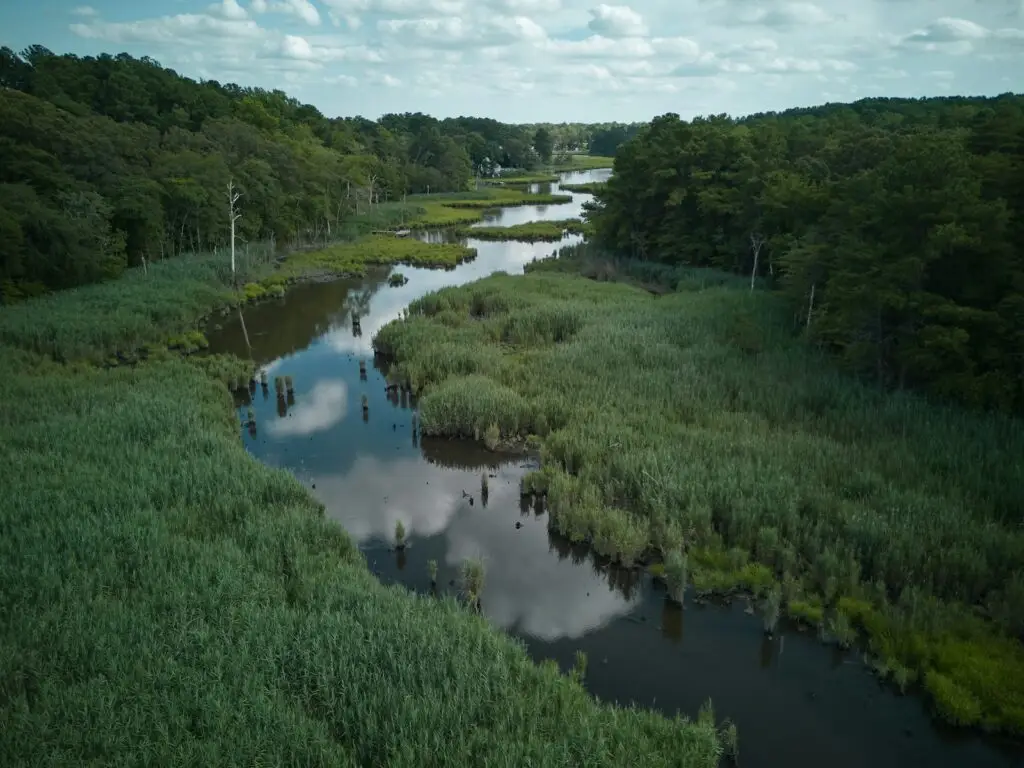
Waterfront means your lot touches the water. If the depth and permits allow, you may be able to have your own pier.
Water view means you can see the water, but your lot doesn't touch it.
Water access usually means a shared pier, boat ramp or community dock in the neighborhood.
Make sure you're comparing the same kind of home when you look at prices. A water view home priced like true waterfront is a bad deal, and the reverse can be a great one.
Before You Offer
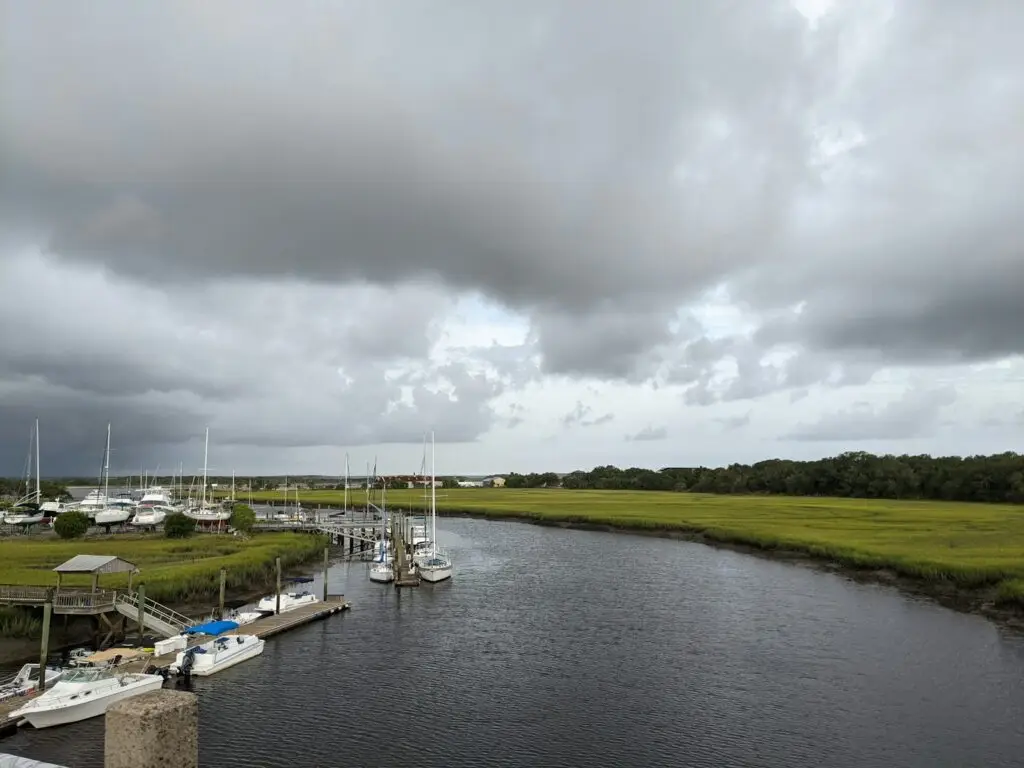
Flood zone and flood insurance. Get an insurance quote early, before you're locked in. Ask for an elevation certificate if the seller has one, since it can help with the insurance quote.
Water depth at low tide. If you have a boat in mind, check the depth at the end of the pier at low tide, not high tide. A great dock on shallow water may not float the boat you own.
Bulkhead, riprap, pier and lift. Shoreline work is expensive. Have all of it inspected, and find out how old it is.
Permits. In Virginia, piers, bulkheads and other shoreline work go through a Joint Permit Application that's reviewed by the Virginia Marine Resources Commission, the local wetlands board and the Army Corps of Engineers. Ask whether past work was permitted, and find out what it would take to add or replace something.
Chesapeake Bay Act buffer. The Chesapeake Bay Preservation Act protects a 100-foot buffer along tidal shores. That can limit clearing trees, adding on or building close to the water, so check the lot before you fall in love with a plan.
Well and septic. A lot of rural waterfront isn't on public water and sewer. Get the well tested and the septic inspected, and remember the system has to work with the water close by.
Your Checklist
Three steps that save waterfront buyers the most money and stress.
01
Confirm whether the home is true waterfront, water view or water access, and compare it to sales of the same kind. That one step keeps you from overpaying.
02
Get flood insurance numbers before you're locked in, so they don't surprise you at closing. Your monthly payment on the water includes more than the mortgage.
03
Build the inspections that matter on the water into your offer, like the shoreline, pier and septic, with enough time to get them done.
For Sellers
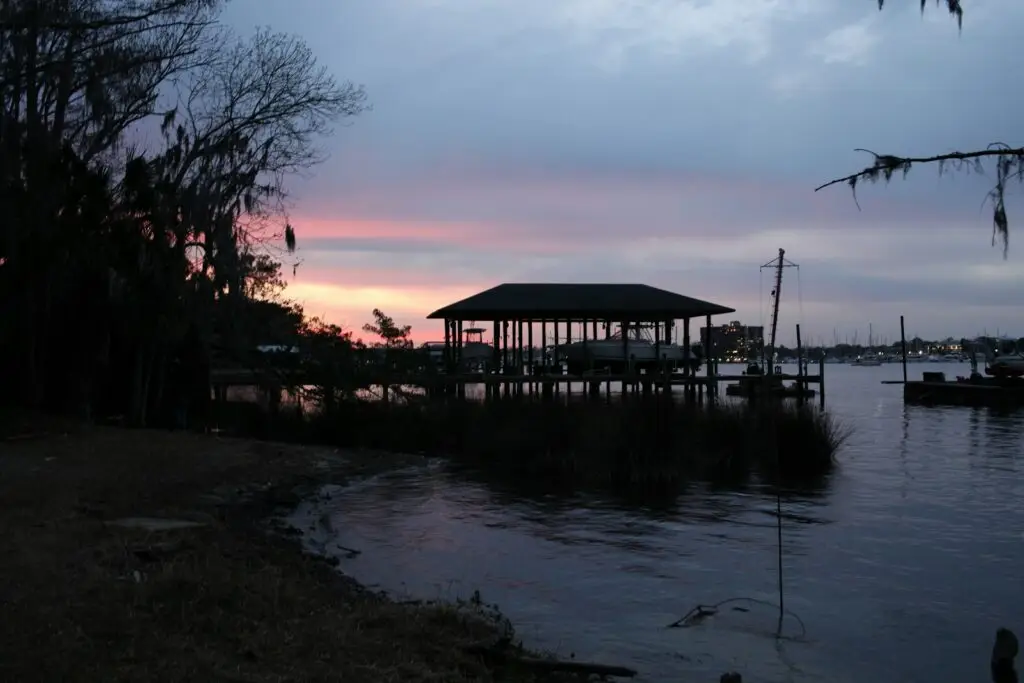
Waterfront homes are hard to price off a website, because the value lives in details an online estimate can't see: the depth at the pier, the view, the condition of the bulkhead and how the lot sits. Pricing should come from recent sales of similar waterfront homes.
Elevation certificate. Buyers will want it for their flood insurance quote.
Flood insurance history. Your current premium and any past claims answer the first question most buyers ask.
Shoreline permits. Paperwork for the pier, bulkhead, lift or riprap shows the work was done the right way.
Water depth and boat details. If you know the depth at the end of the pier or the size boat you've kept there, share it.
FAQ
Quick answers to what buyers ask most about homes on the water in Suffolk and Smithfield.

If the home is in a high-risk flood zone and you're using a mortgage, your lender will almost always require it. Even outside those zones, it's worth pricing, because plenty of flood claims come from homes outside the high-risk areas.
Waterfront means your lot touches the water. Water access usually means a shared pier, ramp or community dock in the neighborhood.
Often, yes, but it takes a permit. Shoreline projects go through Virginia's Joint Permit Application, and the review can take time. If a pier or bulkhead is part of your plan, look into it before you buy.
It's a protected strip of land, generally 100 feet wide, along tidal shores and wetlands. It limits clearing and building close to the water. Many existing homes sit partly inside it, and that's usually fine, but it matters if you plan to add on.
Check it at low tide, at the end of the pier. A depth survey or a local marine contractor can give you real numbers if you're planning around a specific boat.
Some do. Most planned neighborhoods in North Suffolk are on public water and sewer, while a lot of rural creekfront homes have well and septic. Check the listing details, and confirm it before you make an offer.
Keep Exploring
Neighborhoods, what to know before you buy and recent sales across Suffolk.
Historic Main Street, Gatling Pointe, Cypress Creek and the rest of Isle of Wight County.
North Suffolk's master-planned community along the Nansemond and James Rivers.
Thinking about selling? Get a price range based on recent sales near you.
Call me at (757) 642-2391 or book a consultation.